Ethical Communication: A Focus on Inclusivity

Ethical communication is the foundation of trust, respect, and integrity in personal and professional interactions.

Ethical communication ensures transparency, accountability, and fairness in the exchange of ideas. By fostering honesty and avoiding manipulative practices, ethical communication upholds the dignity of all individuals involved.

A key aspect of ethical communication is inclusivity, which involves recognizing and addressing the diverse perspectives, experiences, and identities of all audiences. Inclusive communication respects cultural, linguistic, and social differences, promoting equity and belonging. It ensures that messages are accessible to everyone, using language and formats that avoid bias or exclusion.

In practice, inclusive communication might involve using gender-neutral language, considering accessibility needs, and being sensitive to cultural norms. By embedding inclusivity into communication practices, organizations and individuals can build stronger relationships, encourage diverse contributions, and create environments where everyone feels valued and heard.

Ultimately, ethical and inclusive communication not only enhances mutual understanding but also drives innovation, social cohesion, and long-term success.

Spread the word…

About the Author

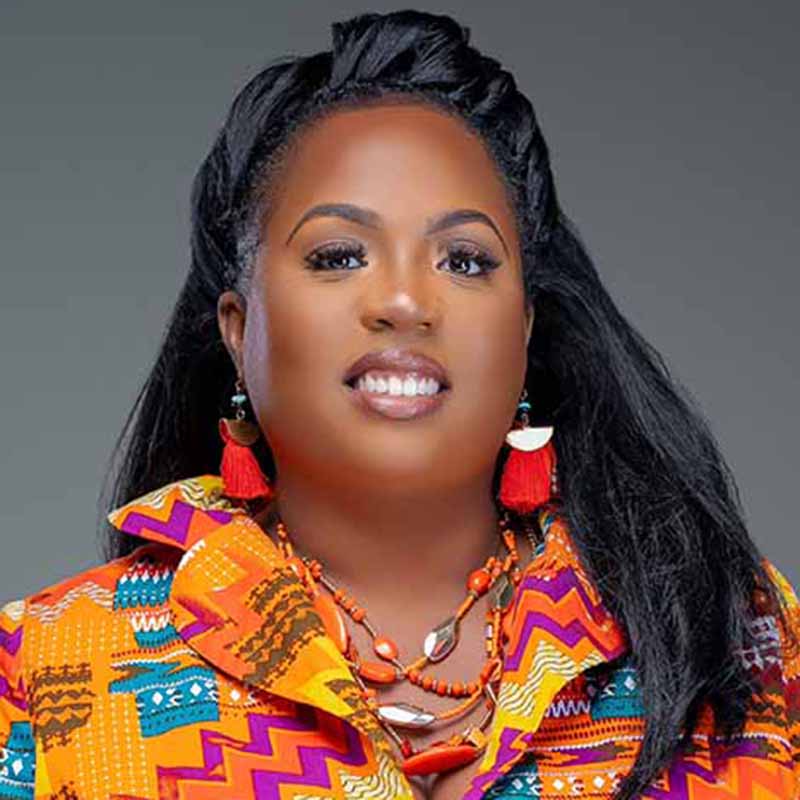
As the President & CEO of Elation Communications, Jerrica drives organizational growth and innovation through strategic partnerships, impactful storytelling, and a deep commitment to empowering teams. Her work, characterized by a blend of strategic vision and operational excellence, has left an indelible mark across various sectors, particularly in supporting individuals with disabilities and advancing educational reforms. She continues to inspire and influence the next generation of leaders, advocating for meaningful change.
5 Donor Story Angles That Move People to Give

5 Donor Story Angles That Move People to Give

It works. But on its own it wears thin, and donors start to skim. People give when they can picture one specific person, not a statistic. Researchers call this the "identifiable victim effect." The fix isn't to drop the beneficiary story. It's to widen the lens. Here...

Stay updated with recent news on ways to transform your communications.

Sponsor Ad

Recent News

5 Donor Story Angles That Move People to Give

It works. But on its own it wears thin, and donors start to skim. People give when they can picture one specific person, not a statistic. Researchers call this the "identifiable victim effect." The fix isn't to drop the beneficiary story. It's to widen the lens. Here...

What Leaders Should Know About Year-End Donor Psychology

Those numbers matter. But behind every one of them is a person deciding, in a few seconds, whether to give. Leaders who understand what drives that decision make better calls about timing, messaging, segmentation and budget. At Elation, we focus on four forces that...

Tags